

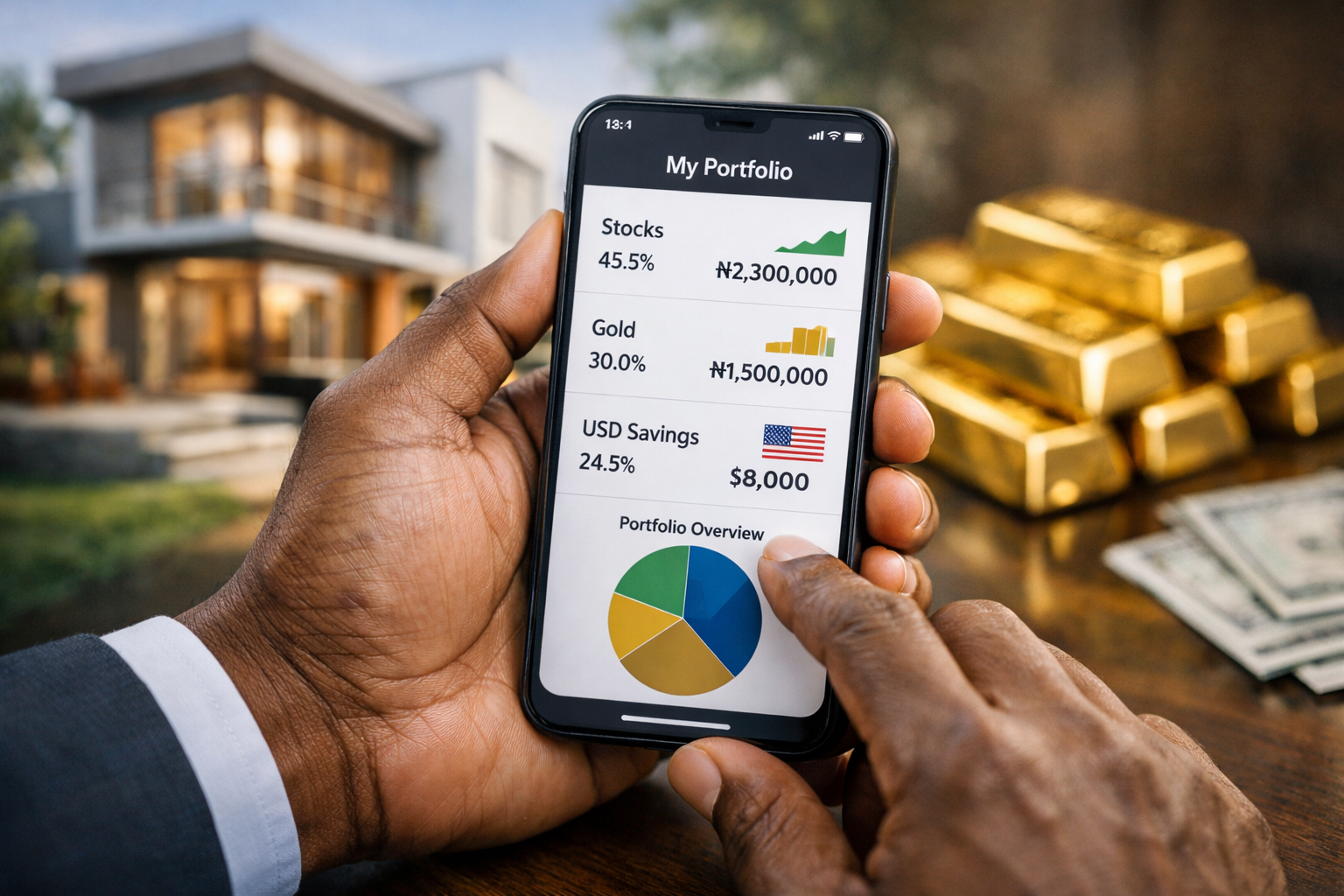
Introduction: The Erosion of Naira Savings in a High-Inflation Economy
For many Nigerians, the dream of financial security often begins with diligent saving. However, in an economy marked by persistent inflation and currency fluctuations, simply stashing away Naira can feel like a losing battle. The purchasing power of your hard-earned money diminishes with each passing month, making it crucial to adopt proactive strategies to protect your savings. In 2026, with economic uncertainties still prevalent, understanding how to hedge against inflation is not just smart financial planning—it’s a necessity.
This article delves into practical and accessible ways Nigerian individuals and small businesses can safeguard their Naira savings from the corrosive effects of inflation. We will explore diversification, stable asset classes, and alternative investment opportunities that offer a better chance of preserving and even growing your wealth in these challenging times.
1. Diversify into Dollar-Denominated Assets: The Obvious Hedge
One of the most direct ways to protect your wealth from Naira depreciation is to convert a portion of your savings into dollar-denominated assets. This doesn’t necessarily mean holding physical dollars, which can be risky. Instead, consider:
- Dollar Savings Accounts: Many Nigerian banks offer domiciliary accounts where you can save in USD. While interest rates might be low, the primary benefit is preserving value against Naira devaluation.
- Dollar-Denominated Mutual Funds/Eurobonds: Invest in funds that hold assets in foreign currencies or Nigerian Eurobonds, which are debt instruments issued by the Nigerian government or corporations in foreign currencies.
- Foreign Stocks/ETFs: Through platforms that allow international investing, you can buy shares in global companies or Exchange Traded Funds (ETFs) that track foreign markets.
This strategy directly counters the impact of local inflation and currency weakness, offering a relatively stable store of value.
2. Real Estate: A Long-Term Inflation Shield
Historically, real estate has been a robust hedge against inflation. As the cost of living and building materials rises, so too does the value of properties. For Nigerians, investing in real estate, especially in prime locations or properties with rental income potential, can provide both capital appreciation and a steady cash flow.
Consider:
- Rental Properties: Investing in residential or commercial properties for rent provides a recurring income stream that can be adjusted over time to keep pace with inflation.
- REITs (Real Estate Investment Trusts): For those with less capital, REITs allow you to invest in a portfolio of income-generating real estate without directly owning physical property.
- Land Banking: Purchasing undeveloped land in rapidly developing areas can offer significant long-term capital gains as infrastructure improves and demand increases.
While real estate requires significant capital and patience, its tangible nature and potential for appreciation make it a strong contender for inflation hedging.
3. Commodities: Gold and Other Precious Metals
Gold has been a traditional safe haven asset during times of economic uncertainty and inflation. Unlike fiat currencies, its value is not subject to government policies or interest rate changes. While direct ownership of physical gold can pose security risks, there are other ways to invest:
- Gold ETFs: These funds track the price of gold and can be bought and sold like stocks.
- Digital Gold: Some fintech platforms in Nigeria now offer ways to buy and sell fractional ownership of gold digitally.
Other commodities, like agricultural products, can also perform well during inflationary periods, but they often come with higher volatility and require more specialized knowledge.
4. High-Yield Investment Opportunities: Fixed Deposits & Treasury Bills (with caution)
While traditional savings accounts often offer rates below inflation, some high-yield fixed deposits or government treasury bills might offer slightly better returns. However, it is crucial to compare these returns against the current inflation rate. If the interest rate is lower than inflation, your money is still losing purchasing power, albeit at a slower rate.
Use these instruments for short-term liquidity needs or as a temporary holding place for funds while you research more robust inflation hedges. Always prioritize investments that offer real returns (above inflation) for long-term wealth preservation.
5. Invest in Yourself: Skills and Businesses
Perhaps the most powerful inflation hedge is investing in your human capital and your business. Acquiring high-income skills or expanding a profitable business can generate income streams that naturally adjust to inflationary pressures. Businesses can raise prices to cover increased costs, and highly skilled individuals can command higher wages.
Consider:
- Skill Acquisition: Learn digital skills, coding, data analysis, or advanced marketing techniques that are in high demand.
- Business Expansion: Reinvest profits into your existing business to increase capacity, improve efficiency, or expand into new markets.
- Starting a New Venture: If you have a viable business idea, starting a venture, especially one with low overheads like an online business, can be a potent way to generate inflation-beating returns.
This approach not only protects your wealth but actively builds it, providing a dynamic response to economic challenges.
Conclusion: Proactive Financial Planning is Key
In 2026, simply saving Naira in a bank account is not enough to secure your financial future in Nigeria. Inflation is a silent thief that erodes wealth over time. By strategically diversifying your assets into dollar-denominated instruments, considering real estate, exploring commodities like gold, and most importantly, investing in your skills and businesses, you can effectively hedge against inflation. The key is proactive financial planning, continuous learning, and adapting your investment strategies to the evolving economic landscape. Take control of your financial destiny and ensure your hard-earned money works as hard as you do.