

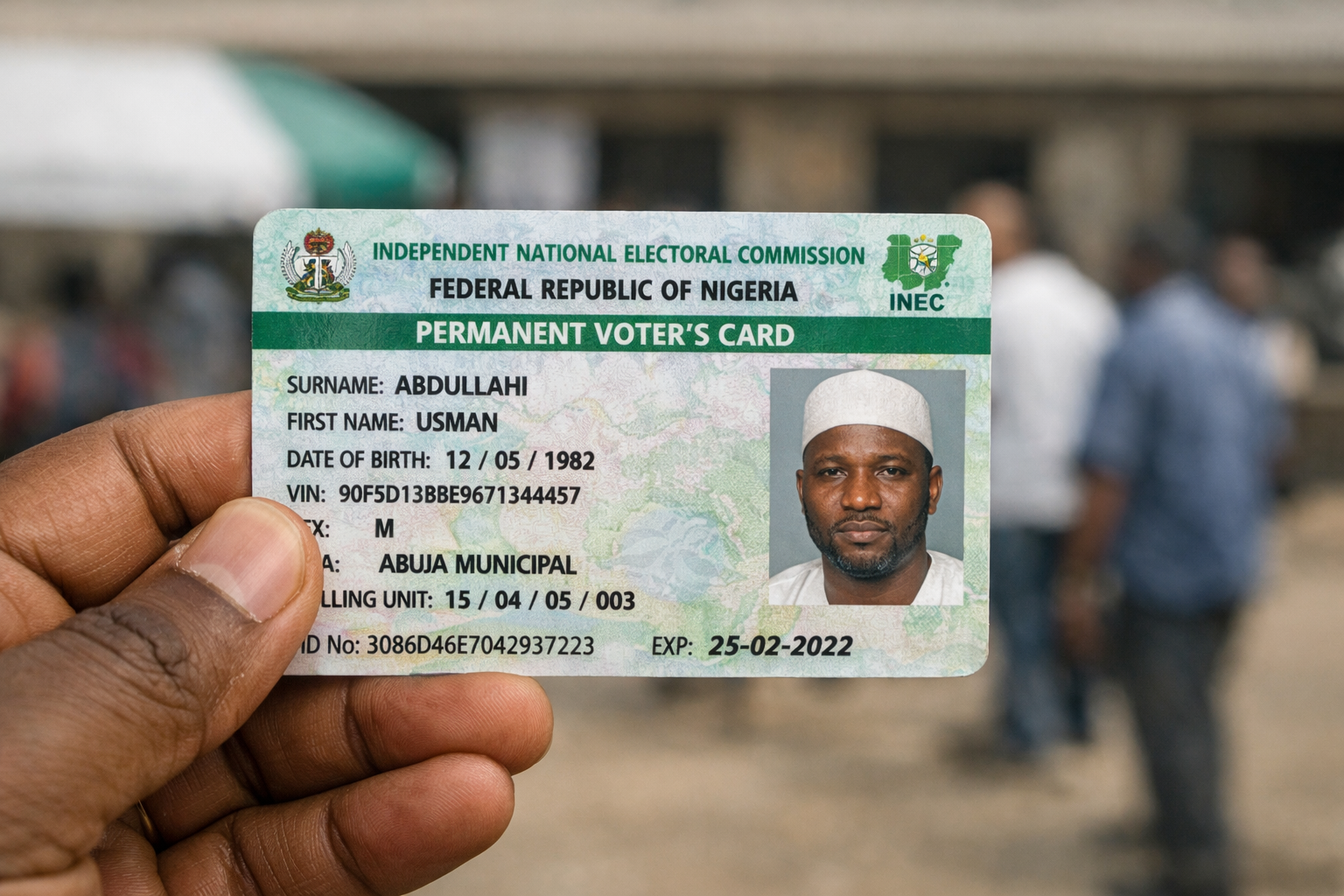
A Brewing Storm in the Political Arena
As Nigeria begins to look toward the 2027 general elections, a new controversy has emerged from the Independent National Electoral Commission (INEC). The proposal for a mandatory Permanent Voter Card (PVC) revalidation exercise has met with stiff resistance from various political groups and civil society organizations. Many are questioning the timing and the potential impact of such a move on the nation’s democratic process.
Why Critics are Calling for Caution
The primary concern among critics is that a fresh revalidation exercise could lead to widespread voter disenfranchisement. In a country where obtaining a PVC is already a significant hurdle for many, adding another layer of bureaucracy could discourage participation. Furthermore, some argue that the focus should be on improving the existing system rather than introducing new, potentially chaotic requirements. The fear is that this could be a step backward for Nigeria’s hard-won democratic stability.
The Road to 2027: What Lies Ahead?
INEC maintains that the exercise is necessary to ensure the integrity of the voter register. However, the lack of consensus suggests that a more transparent and inclusive approach is needed. As the debate continues, it’s clear that the path to the next election will be closely watched by both local and international observers. Stay updated with more breaking stories in Nigerian politics on naira.blog to understand how these developments might affect you.
Conclusion
The integrity of our elections is the bedrock of our democracy. While the goal of a clean voter register is noble, the methods used must be fair and accessible to all. The coming months will be crucial in determining whether INEC will heed the calls for a more balanced approach to election preparation.