

Introduction
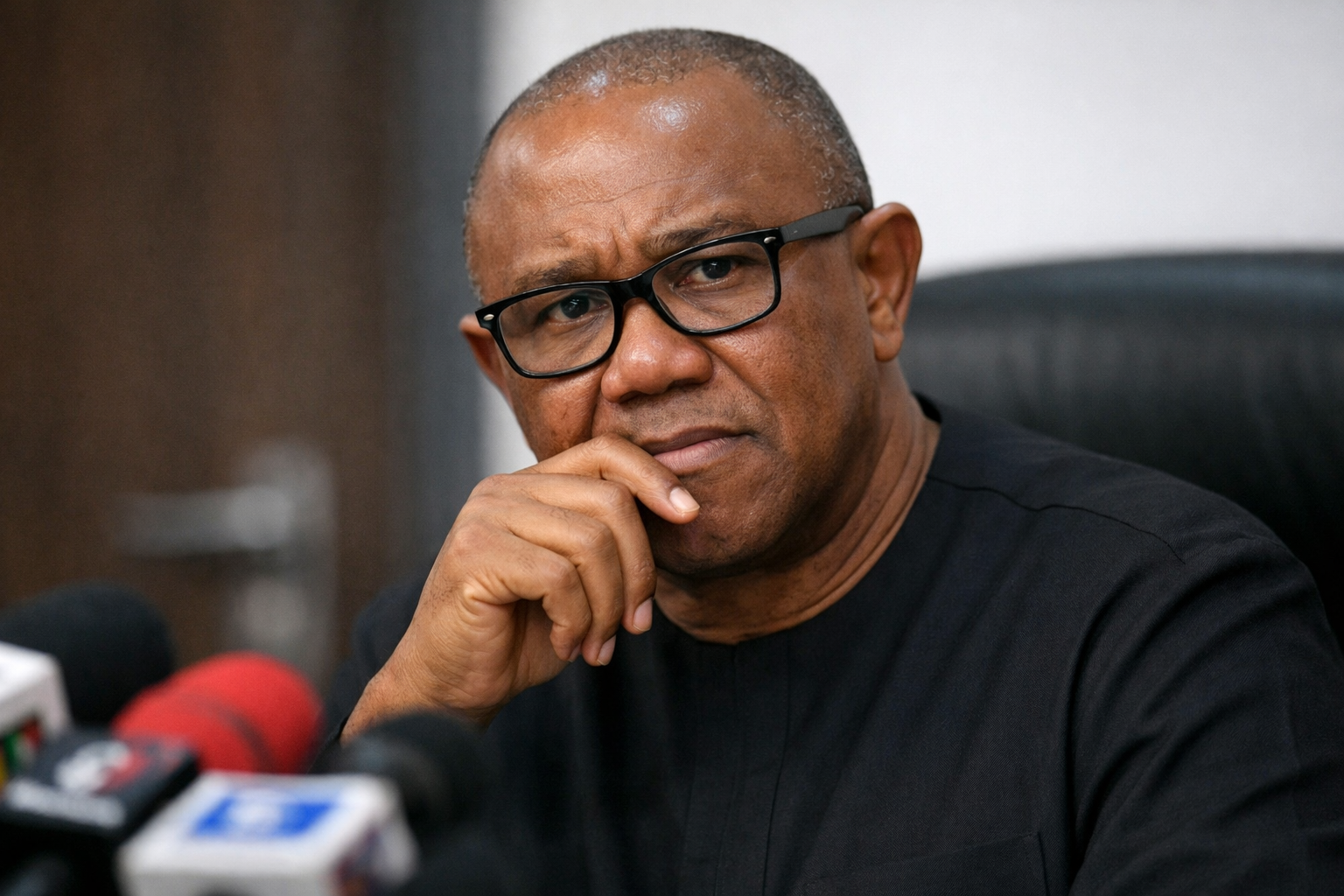
In a recent and significant development, Peter Obi, the former presidential candidate of the Labour Party, has openly criticized President Bola Tinubu’s response to the tragic killings in Plateau State. Obi’s comments have ignited a fresh wave of discussions and reactions across Nigeria, bringing the critical issue of national security and leadership accountability to the forefront of political discourse. This critique comes at a time when the nation is grappling with persistent security challenges, particularly in the Middle Belt region.
Obi’s Stance: A Call for More Decisive Action
Peter Obi’s criticism centers on what he perceives as an inadequate or delayed response from the Tinubu administration regarding the escalating violence in Plateau State. Obi, known for his vocal advocacy on governance and security matters, emphasized the need for more decisive and empathetic leadership in times of crisis. His remarks suggest a growing dissatisfaction among some political figures and the populace with the government’s approach to safeguarding lives and property. This aligns with his previous commitments to security, as seen in Peter Obi Promises Zero Tolerance for Crime if Elected President in 2027.
Nigerians React: A Divided Public Opinion
The public’s reaction to Obi’s statements has been varied, reflecting the complex and often polarized nature of Nigerian politics. While many citizens have lauded Obi for speaking truth to power and holding the government accountable, others have defended President Tinubu’s efforts, citing the multifaceted challenges of national security. Social media platforms and traditional news outlets are abuzz with debates, highlighting the deep-seated concerns Nigerians have about their safety and the effectiveness of their leaders. The ongoing political discussions often touch upon the performance of various political groups, as explored in APC Group to Tinubu: Focus on Performance, Not Just Party!.
The Broader Context: Security Challenges in Nigeria
The Plateau killings are part of a larger pattern of insecurity that has plagued Nigeria for years, encompassing banditry, insurgency, and communal clashes. Obi’s intervention serves as a reminder that these issues remain critical benchmarks for evaluating governmental performance. The political implications of such criticisms are significant, as they can influence public perception, shift political allegiances, and shape the narrative leading up to future elections. The need for effective leadership in addressing these crises is paramount for national stability and progress. For insights into other political rivalries, see [Wike Labels Bala Mohammed Unstable Amid PDP National Secretary Rift](https://naira.blog/politics/wike-labels-bala-mohammed-unstable-amid-pdp-national-secretary-rift/).
Conclusion
Peter Obi’s critique of President Tinubu’s response to the Plateau killings has undoubtedly stirred the political pot, prompting a national conversation about leadership, accountability, and security. As Nigerians continue to react and demand solutions, the pressure on the government to demonstrate tangible progress in addressing these existential threats will only intensify. The coming weeks will likely reveal how these political exchanges impact policy decisions and public confidence in the current administration.