

Introduction
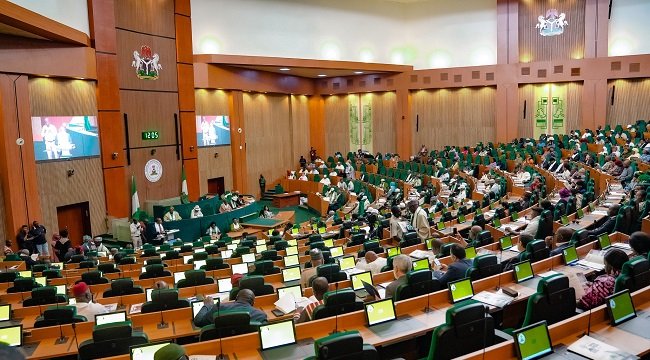
Nigeria’s political arena is abuzz following a significant wave of defections in the House of Representatives. A staggering 27 members have opted to switch their party affiliations, a move that is poised to redraw the lines of power within the legislative arm of government. This development, unfolding rapidly, sees the All Progressives Congress (APC) solidify its majority, while other parties, notably the African Democratic Congress (ADC), also welcome new members into their fold.
The Great Exodus: Who’s Moving Where?
Reports indicate that the bulk of the defectors are moving towards the ruling APC, a strategic shift that further empowers the party in national decision-making. This influx is not just about numbers; it represents a consolidation of influence that could impact future legislative agendas and policy formulations. The ADC, though gaining fewer members, is also making its presence felt, signaling a potential rise in its political stature.
Bauchi Governor’s Potential Leap
Adding another layer of intrigue to this political drama is the hint from Bauchi State Governor, Bala Mohammed, regarding his potential defection to the ADC. Such a high-profile move by a sitting governor would undoubtedly send ripples across the political landscape, potentially inspiring similar shifts at the state level and further fragmenting existing party structures. His decision, if it materializes, will be closely watched as a barometer of evolving political loyalties.
Implications for Nigeria’s Democracy
These defections are more than just a change of party; they reflect the dynamic and often fluid nature of Nigerian politics. While some view such movements as a healthy sign of democratic freedom, others raise concerns about political stability, ideology, and the true representation of constituents’ interests. The coming months will reveal the full impact of these shifts on governance, accountability, and the overall democratic process in Nigeria.
Conclusion
The recent mass defection in the House of Representatives marks a pivotal moment in Nigeria’s political narrative. As parties gain and lose members, the balance of power is continuously recalibrated, setting the stage for intensified political maneuvering and potentially new alliances. The eyes of the nation will remain fixed on Abuja and state capitals as these developments continue to unfold, shaping the future trajectory of Nigerian democracy.