
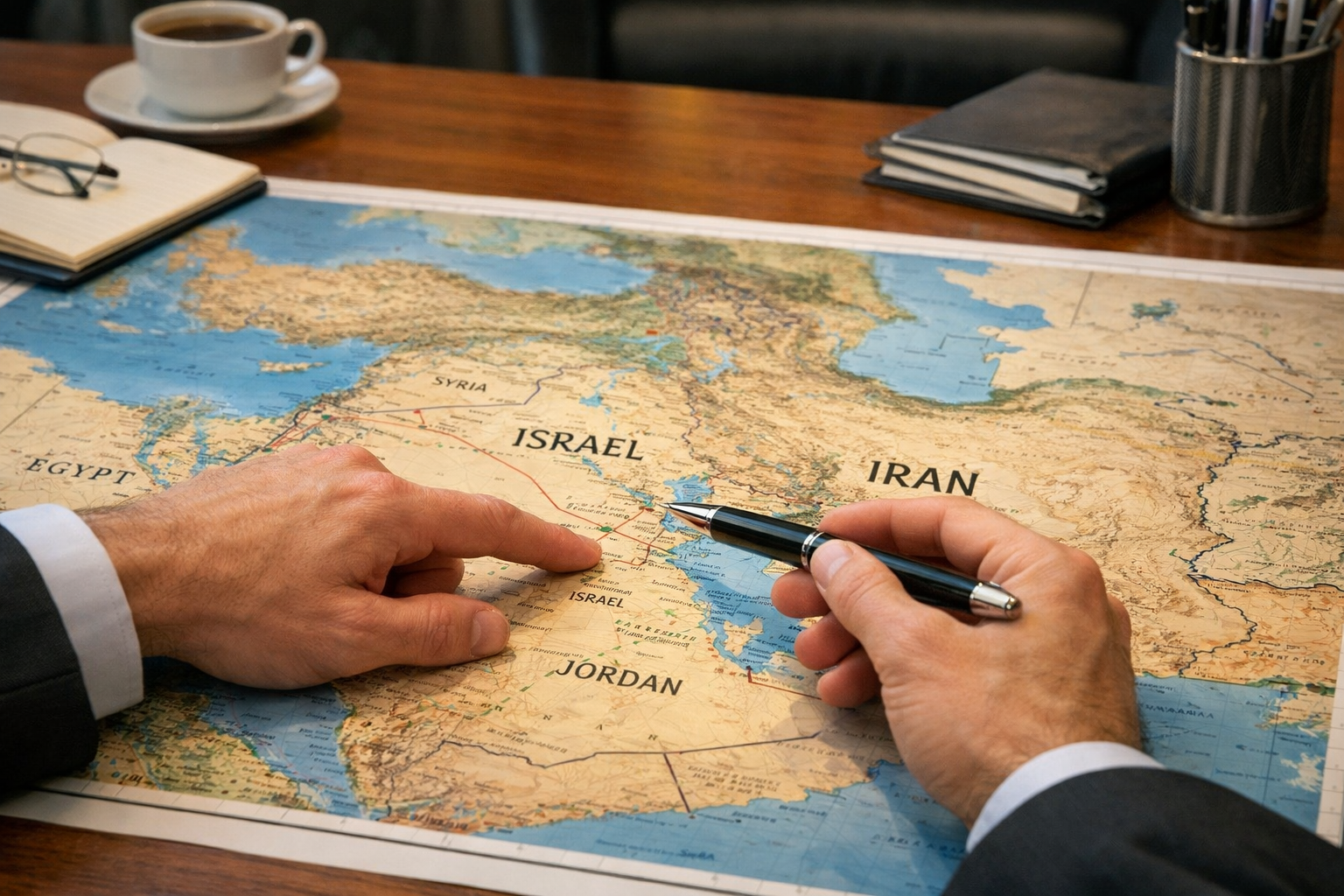
In a move that has divided political analysts globally, President Donald Trump has unveiled a comprehensive 15-point peace plan aimed at resolving the intense conflict between Israel and Iran. While the White House describes the plan as a “pathway to permanent stability,” the proposal has met with immediate pushback from Tehran, sparking a fresh round of political maneuvering.
Key Points of the Proposal
The 15-point plan reportedly includes provisions for a long-term ceasefire, the reopening of the Strait of Hormuz, and a new framework for regional security. A particularly controversial aspect of the plan is the suggestion that Arab countries should contribute to the costs of the military operations and subsequent reconstruction. Supporters of the President argue that this “America First” approach ensures that the US is not solely responsible for the financial burden of regional stability.
Iran’s Rejection and Political Deadlock
Iran’s Foreign Ministry has officially rejected the plan, calling it “one-sided” and “unacceptable.” The deadlock has led to a flurry of diplomatic activity, with the US reportedly engaging in talks with Iran’s parliamentary speaker in an attempt to find common ground. Domestically, the plan has become a major talking point, with critics questioning the feasibility of such a bold strategy while supporters hail it as a necessary step to end the “illegal war.”
Conclusion
The political fallout from this peace plan is likely to shape international relations for years to come. As Trump continues to push his vision for the Middle East, the world is witnessing a high-stakes game of political chess. Whether this 15-point plan leads to a breakthrough or further entrenchment remains to be seen, but it has undoubtedly placed the US at the center of the most significant geopolitical challenge of 2026.