Introduction
The Nigerian political landscape remains as dynamic as ever, with recent events stirring discussions and debates across the nation. The All Progressives Congress (APC) has found itself in the spotlight following the suspension of one of its prominent figures, Fubara Dagogo. This development unfolds as President Bola Ahmed Tinubu continues to champion his administration’s reforms, calling for a united front to move the country forward.
Internal Strife and Party Discipline
The suspension of Fubara Dagogo from the APC underscores the internal workings and disciplinary measures within political parties. While the specifics of the suspension are yet to be fully detailed, such actions often reflect deeper power struggles or disagreements over party ideology and direction. This event will undoubtedly spark conversations about party loyalty and the future of political alliances in Nigeria.
President Tinubu’s Stance on Reforms and Unity
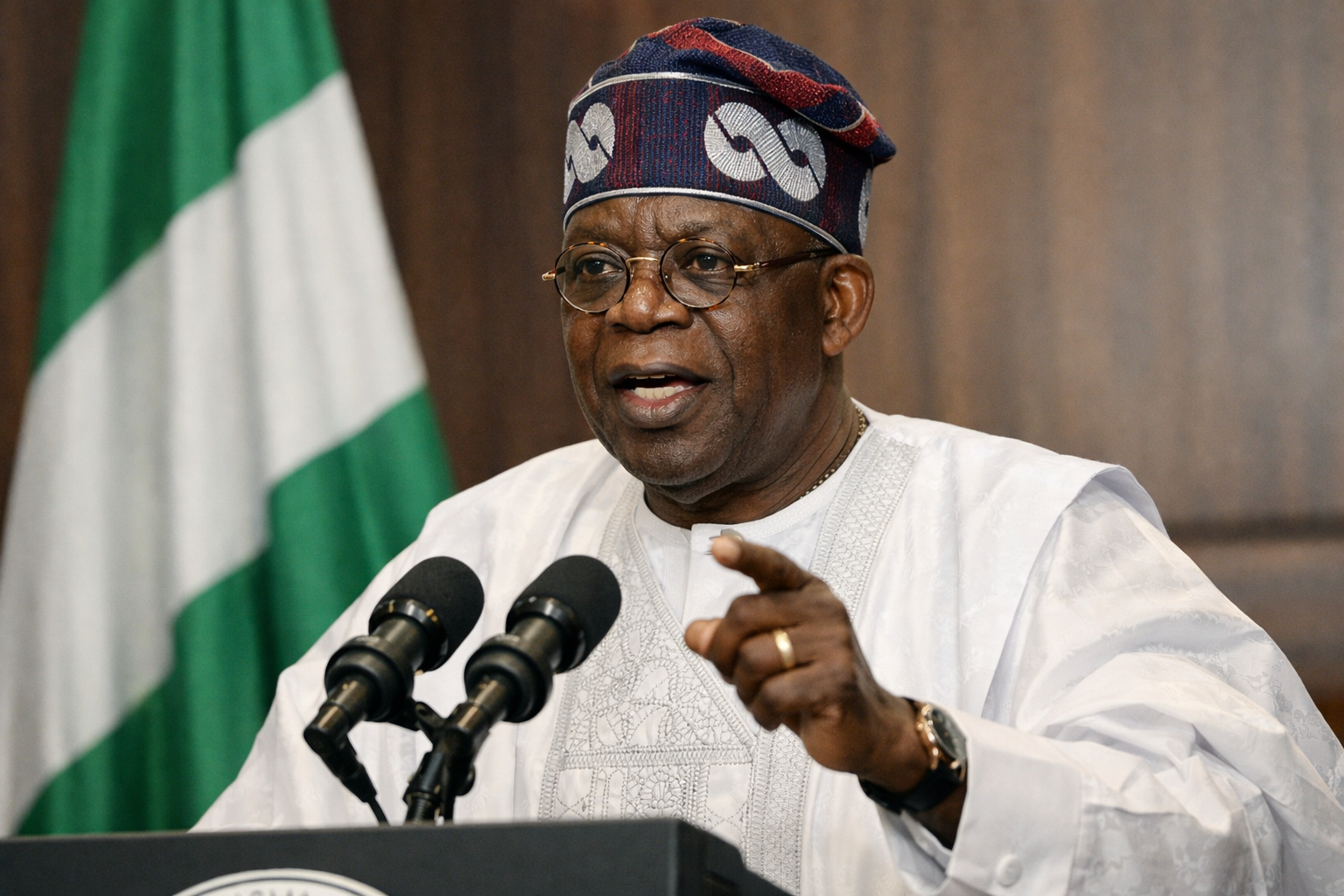
In parallel, President Tinubu has been vocal in defending his administration’s economic reforms, which have been met with mixed reactions from the populace. The President emphasized the necessity of these reforms for long-term national growth and stability. He also used the opportunity to call for national unity, urging citizens to look beyond partisan lines and work together for the common good of Nigeria.
Electoral Act and Opposition Criticism
President Tinubu also addressed criticisms from the opposition, whom he accused of
‘twisting’ the Electoral Act for political gain. This indicates ongoing debates surrounding electoral processes and the interpretation of legal frameworks governing elections in Nigeria. Such exchanges are a common feature of democratic discourse, highlighting the vibrant, albeit sometimes contentious, nature of Nigerian politics.
Conclusion
The political arena in Nigeria is a complex tapestry of alliances, reforms, and internal party dynamics. The suspension of Fubara Dagogo within the APC and President Tinubu’s steadfast defense of his policies, coupled with his call for national unity, paint a picture of a nation grappling with its political identity and future direction. As these events unfold, Nigerians will be keenly watching how these developments shape the country’s governance and socio-political landscape.