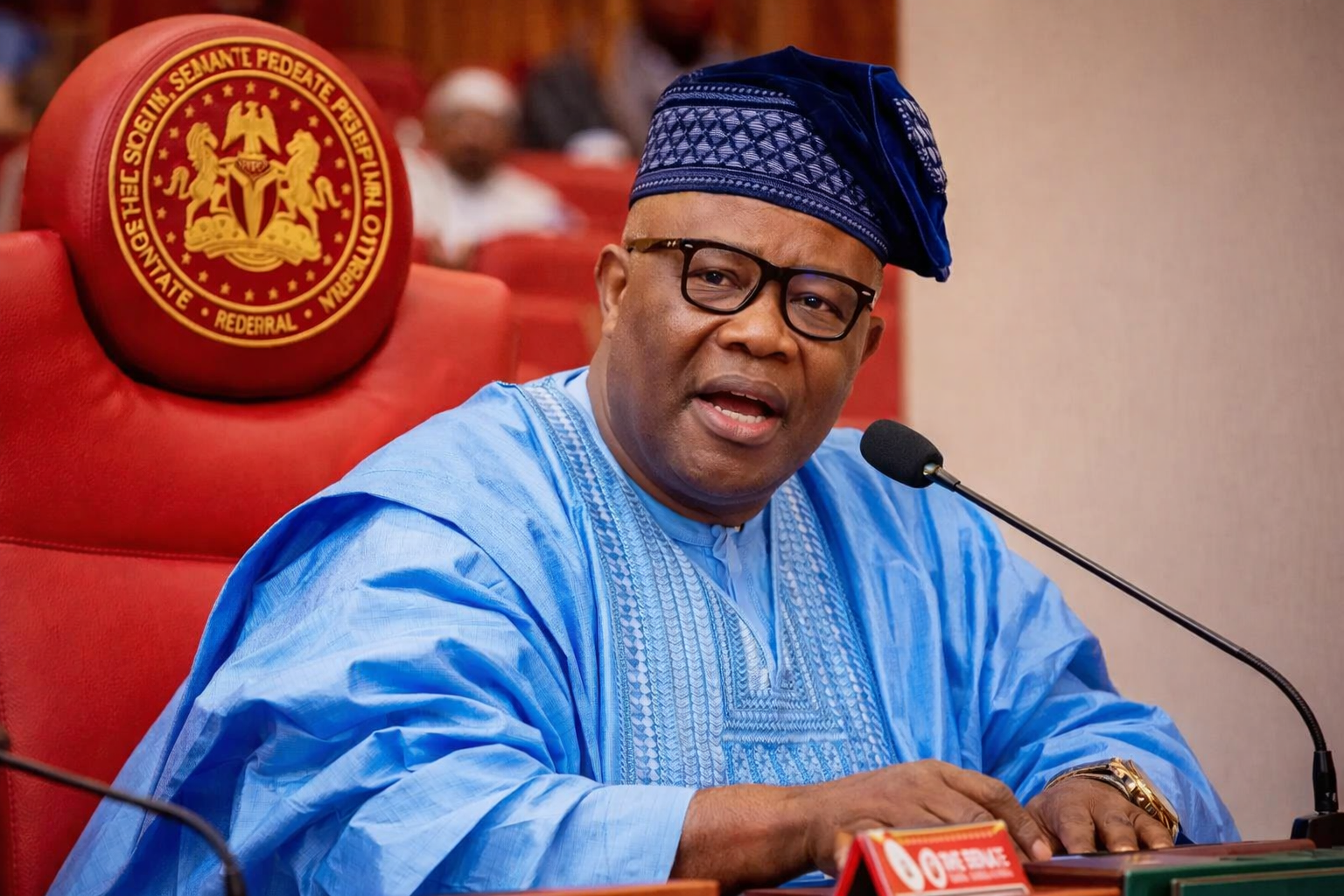
The long-standing aspiration for the creation of Anioma State has received a significant boost with Senate President Godswill Akpabio reaffirming the legislative arm’s unwavering support for the initiative. Akpabio, a prominent figure in Nigerian politics, stated that the creation of Anioma State, with Asaba as its capital, remains a priority under the administration of President Bola Tinubu.
This declaration comes as a beacon of hope for the people of the Anioma region, who have for decades advocated for their own state, citing cultural identity, administrative convenience, and accelerated development as key reasons.
A Renewed Push for Statehood
The call for Anioma State is not new, but Akpabio’s recent pronouncement injects fresh momentum into the movement. His statement underscores a potential alignment between the executive and legislative branches of government on this matter, which is crucial for the complex process of state creation in Nigeria.
The proposed Anioma State is expected to be carved out of the present-day Delta State, encompassing several local government areas predominantly inhabited by the Anioma people. Asaba, currently the capital of Delta State, is slated to become the capital of the new state, a move that is largely welcomed by proponents of the new state.
Implications for Regional Development
Proponents argue that the creation of Anioma State will unlock new opportunities for economic growth and infrastructural development within the region. They believe that a dedicated state administration will be better positioned to address the unique needs and challenges of the Anioma people, leading to improved governance and service delivery.
However, the process of state creation in Nigeria is often fraught with constitutional hurdles and political complexities. It requires extensive legislative procedures, including amendments to the constitution, and broad consensus among various stakeholders.
Conclusion
Senate President Akpabio’s affirmation of support for Anioma State creation signals a renewed commitment from the federal government towards addressing the demands of various ethnic nationalities for self-determination and development. While the journey ahead may be challenging, the recent pronouncement offers a promising outlook for the realization of Anioma State, potentially reshaping the political and administrative landscape of Nigeria.